Wastewater Aeration
FILTEC provides aeration systems for wastewater treatment, designed to optimise oxygen transfer, maintain process stability, and support efficient plant operation.
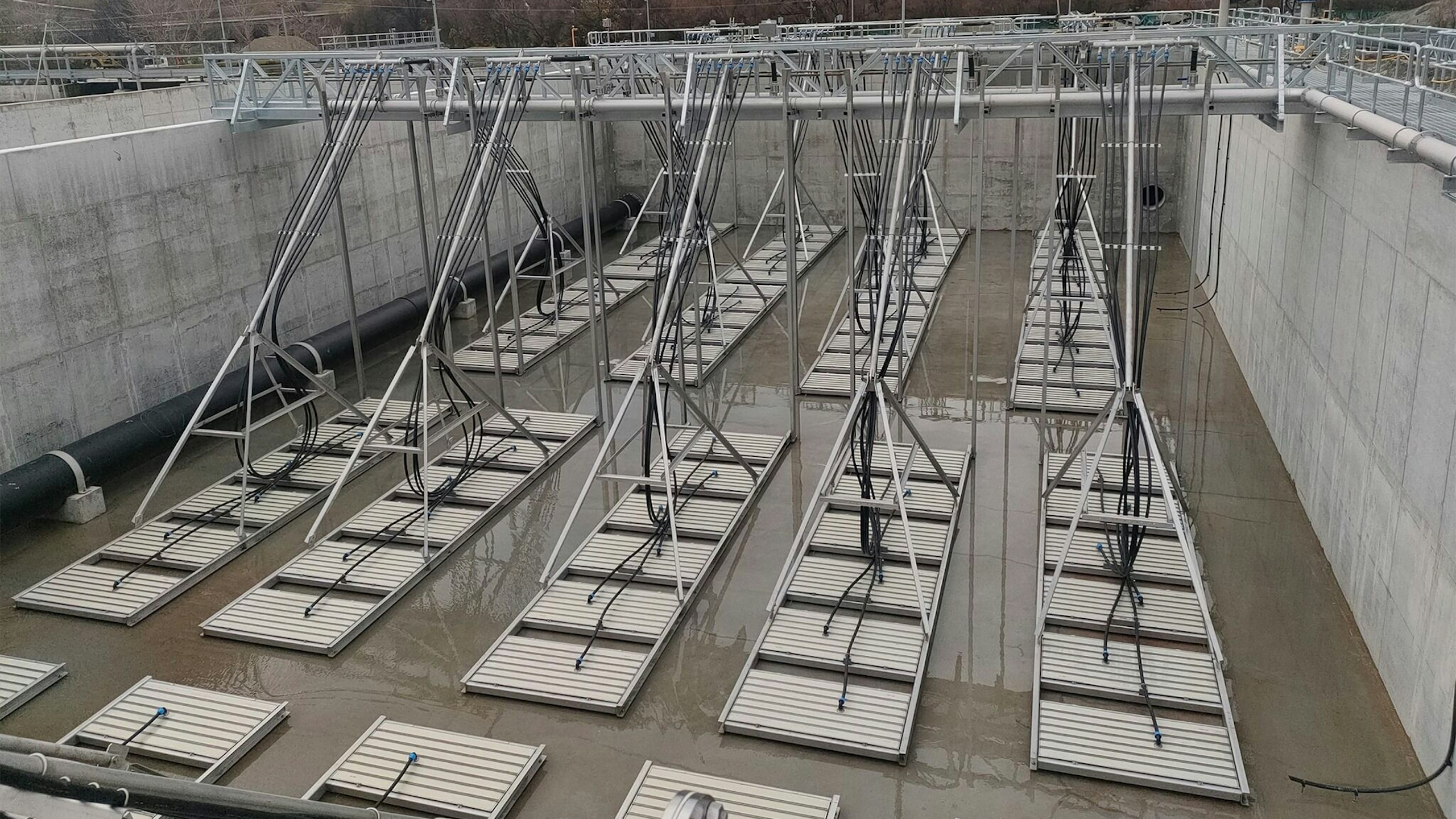
Effective Aeration Underpins Wastewater Treatment Performance
Aeration supplies the oxygen required for biological treatment processes and helps maintain stable operating conditions. For councils and industrial facilities, effective aeration supports consistent treatment performance and manages loading variability. It also helps prevent issues such as odour, poor mixing, and process instability in tanks, lagoons, and reactors.
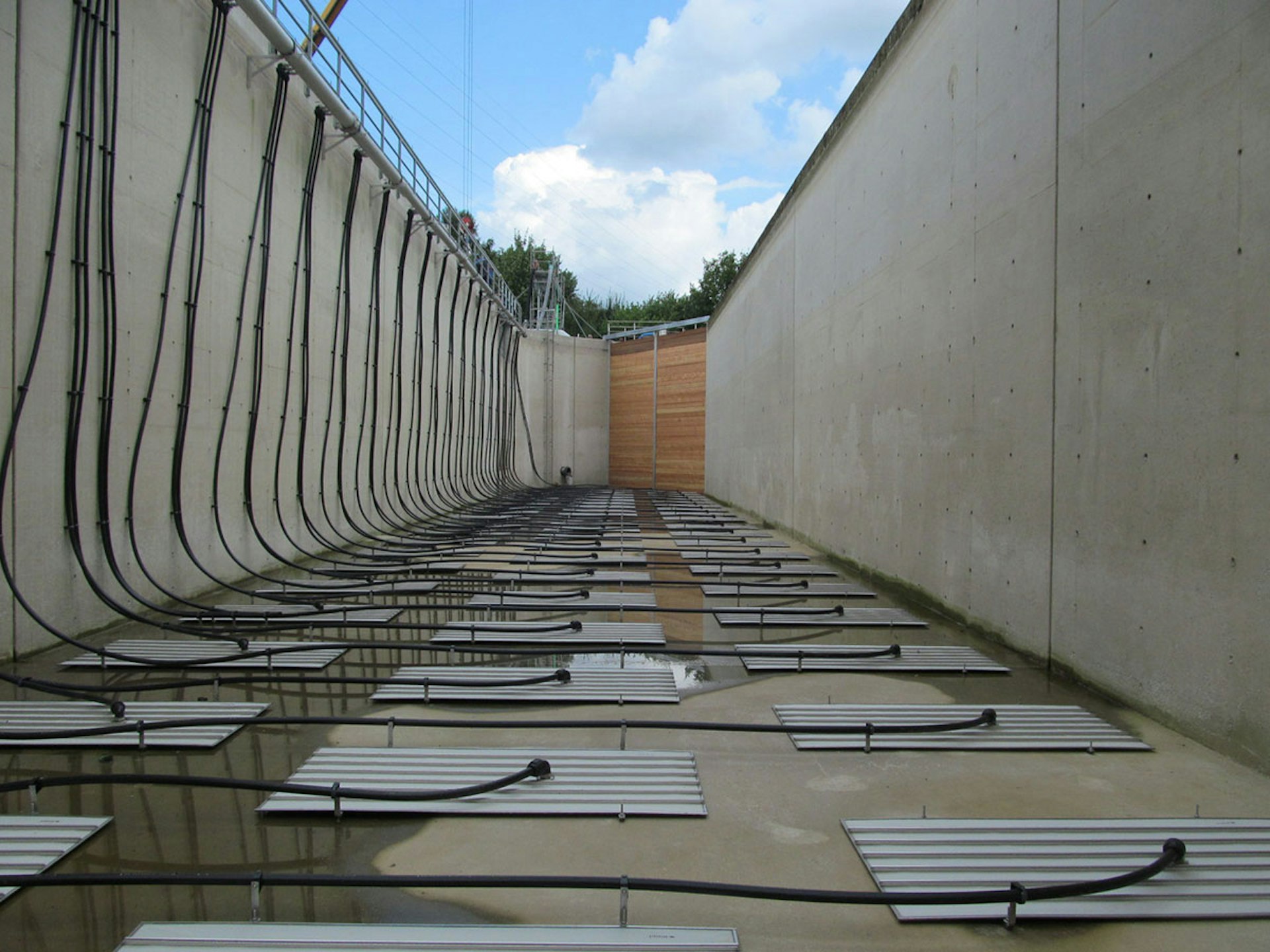
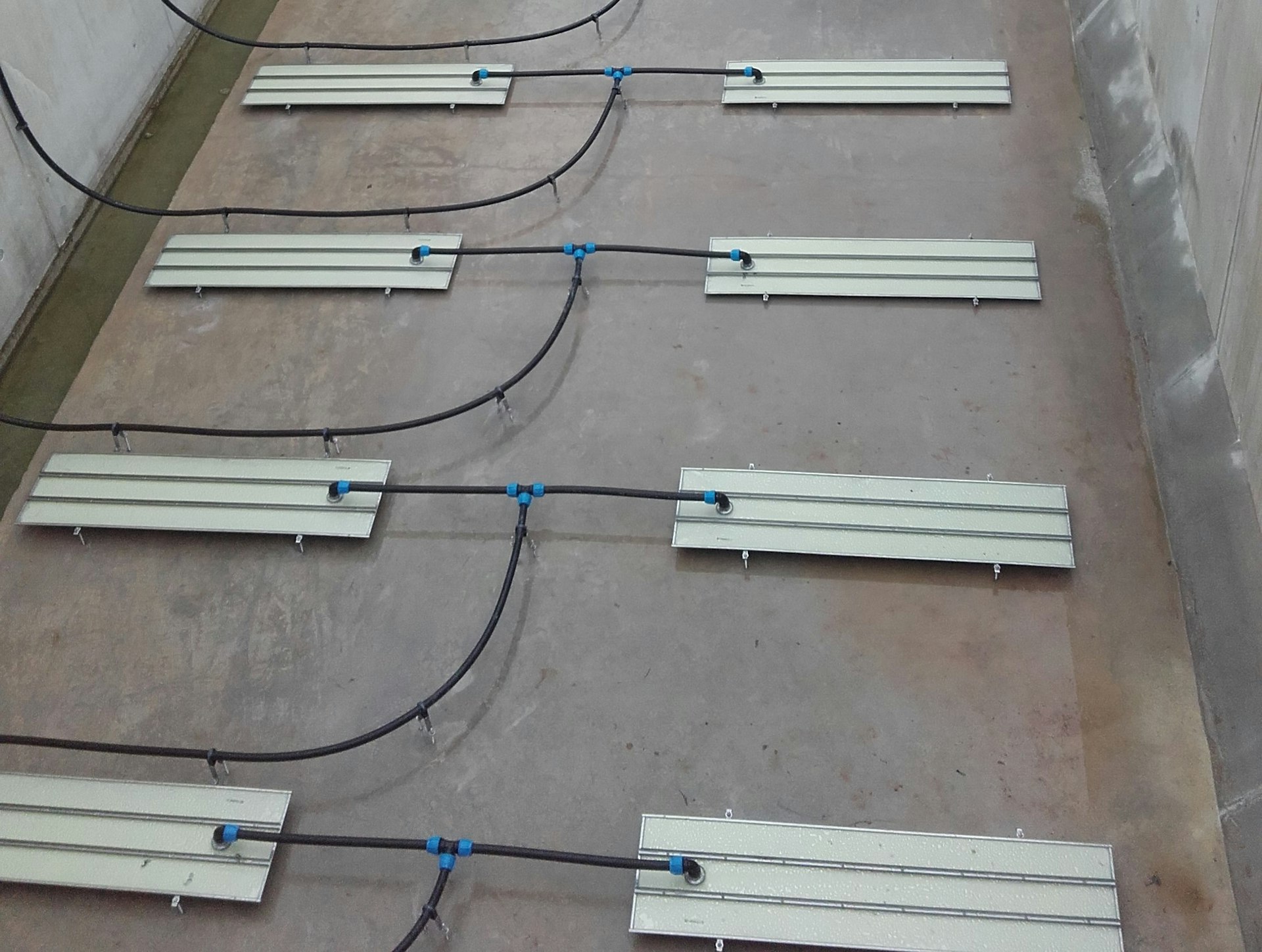
Aeration Systems Backed by FILTEC Expertise
Process-matched system selection
Optimised oxygen transfer efficiency
Reduced maintenance and downtime
Supply of proven aeration technologies

How FILTEC Selects the Right Aeration System
FILTEC evaluates process type, tank configuration, contaminant loading, and operational constraints to determine the most suitable aeration approach. Fine, medium, and coarse bubble systems are applied differently depending on oxygen transfer requirements, process type, mixing needs, and fouling risk. Solutions may combine proven products with engineered design to achieve reliable, site-specific performance.
Primary Wastewater Aeration Treatment Solutions
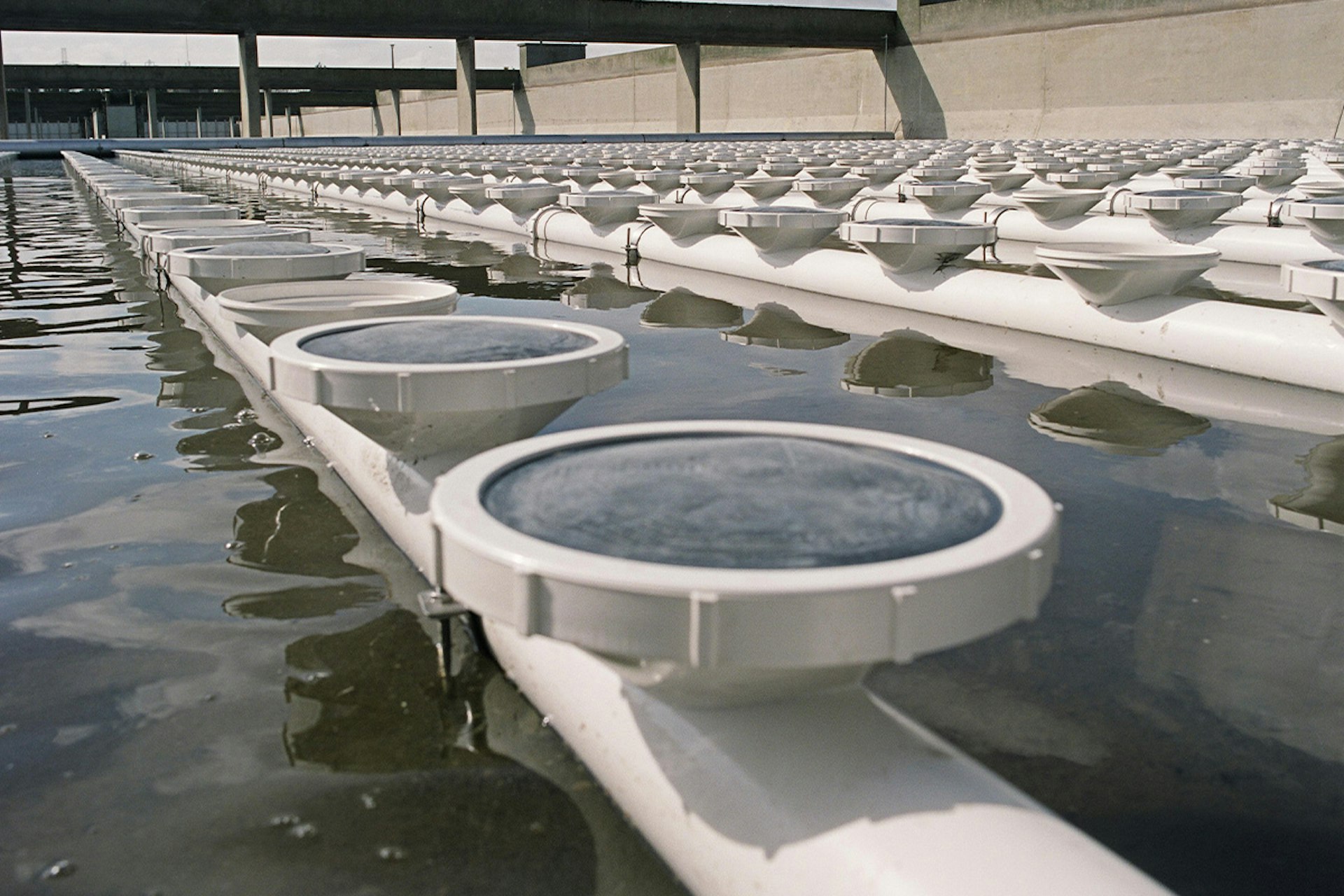
Fine Bubble Aeration
Fine bubble aeration systems use membrane diffusers or aeration panels to maximise oxygen transfer efficiency. Suitable for biological treatment processes where energy efficiency and consistent oxygen distribution are critical, but not typically used in MBR or MBBR systems.
Medium Bubble Aeration
Medium bubble aeration is used in MBBR systems where a balance between oxygen transfer, mixing, and management of the carrier media is required. These systems are typically engineered to suit specific process and reactor conditions.


Coarse Bubble Aeration
Coarse bubble aeration systems prioritise mixing, durability, and resistance to fouling. Commonly used in sludge tanks, grit chambers, and industrial wastewater applications with high solids, grease, or debris where clogging is a concern.
Wastewater Aeration Projects
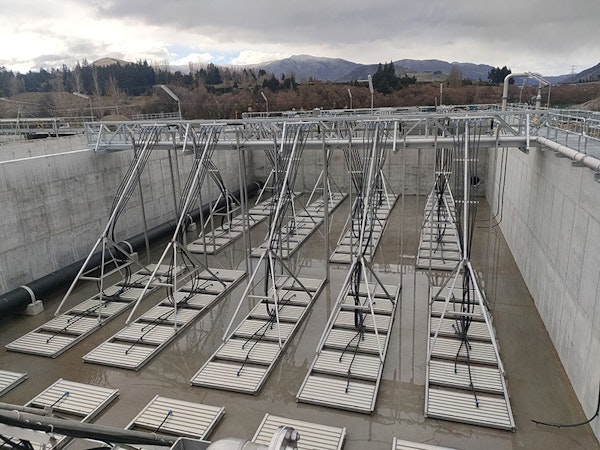
Aeration System for Shotover Wastewater Treatment Plant
How Aeration Works in Wastewater Treatment
Aeration systems introduce air into wastewater to supply oxygen and maintain mixing within treatment processes. Bubble size influences performance: fine bubbles maximise oxygen transfer efficiency, while coarse bubbles provide stronger mixing and fouling resistance. Selecting the appropriate aeration method depends on process type, tank conditions, and operational requirements.
FAQs
What type of aeration system is best for my application?
The best aeration system depends on the treatment process, tank configuration, and operating conditions. Fine bubble systems are typically used for high oxygen transfer efficiency in biological treatment, while medium and coarse bubble systems are used where mixing, fouling control, or solids handling are more critical. FILTEC assesses each site to determine the most suitable approach.
Why can’t fine bubble aeration be used in MBR or MBBR systems?
Fine bubble systems are not suited to MBR processes because they do not provide sufficient scouring ability. Fine bubble systems are not suited to MBBR systems because the carrier media would damage the diffusers.
How does aeration affect energy consumption in wastewater treatment?
Aeration is often the largest energy consumer in a wastewater treatment plant. System design, diffuser type, and operating conditions all influence energy use. Fine bubble systems generally offer higher oxygen transfer efficiency, reducing energy demand, while coarse systems prioritise mixing and durability over efficiency.
What maintenance is required for aeration systems?
Maintenance requirements vary by system type and operating conditions. Fine bubble diffusers may require periodic inspection and (online acid) cleaning to manage fouling, while coarse bubble systems are typically more resistant to clogging and require less frequent intervention. Access for maintenance is an important consideration in system design.
When should coarse bubble aeration be used instead of fine bubble?
Coarse bubble aeration should be used where mixing, durability, and resistance to fouling are more important than oxygen transfer efficiency. This includes applications such as sludge tanks, grit chambers, and industrial wastewater with high solids, grease, or debris, as well as deep tanks where strong mixing is required.
Seeking the Right Aeration System for Your Plant?
Speak with FILTEC’s team to assess your process requirements and identify the most effective aeration approach for your site.
